Highwoods Preservation Society
Reg. Charity No:
282289
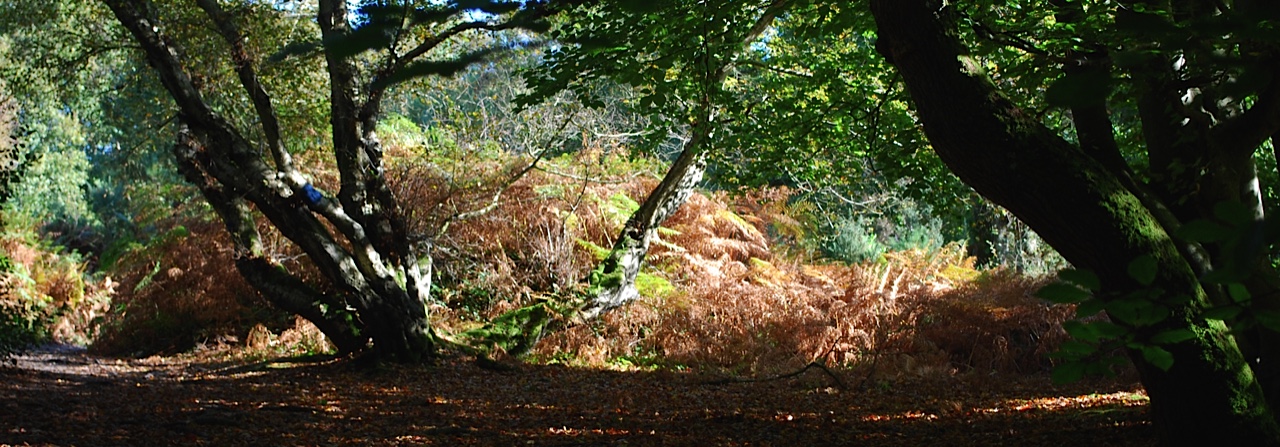
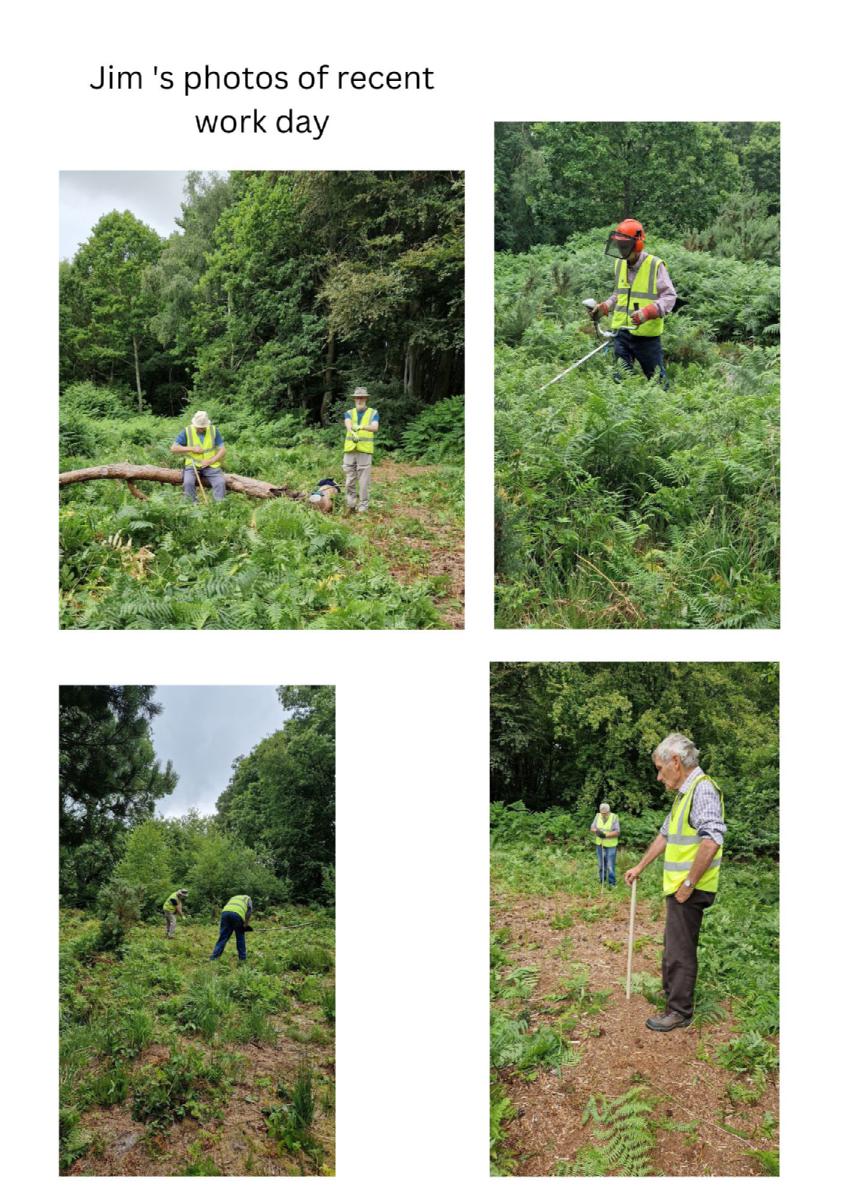
Britain's remaining natural woodlands are disappearing at an alarming rate. They are an asset which, if lost, cannot be replaced.Bexhill has one of the few surviving examples of traditional coppiced woodlands left in East Sussex in the 87 acres (35 Hectares) of the Highwoods. The Society arranges periodic coppicing work.
Since the early 1980's Highwoods Preservation Society volunteers and others have, under a management agreement with the Rother District Council, safeguarded this local beauty spot and wildlife habitat for the benefit of YOU the public--and the birds, animals and plants
Under the agreed management programme footpaths have been widened, drained and waymarked. A horse ride has been cleared and signposted so this long-established public use of the woods can continue without risk to walkers or damage to the area as wildlife habitat. More recently a disabled path has been added.
Overgrown ponds have been cleared and returned to use as a valuable part of the ecology of the woodlands. A dry heath has been cleared of bracken and encroaching silver birch. Regular surveys are taken of wildlife seen in the woods. As a result of careful and planned woodland management their number and variety is rising.
For the benefit of Highwoods Preservation Society members and many other interested organisations, regular conducted walks around the woods are now organised. Local schools also use the Woods as part of their environmental education. The woods are designated Site of Special Scientific Interest (SSSI) and the 'Sessile Oak Coppice' is said to be the finest in southern Britain.
Since the early 1980's Highwoods Preservation Society volunteers and others have, under a management agreement with the Rother District Council, safeguarded this local beauty spot and wildlife habitat for the benefit of YOU the public--and the birds, animals and plants
Under the agreed management programme footpaths have been widened, drained and waymarked. A horse ride has been cleared and signposted so this long-established public use of the woods can continue without risk to walkers or damage to the area as wildlife habitat. More recently a disabled path has been added.
Overgrown ponds have been cleared and returned to use as a valuable part of the ecology of the woodlands. A dry heath has been cleared of bracken and encroaching silver birch. Regular surveys are taken of wildlife seen in the woods. As a result of careful and planned woodland management their number and variety is rising.
For the benefit of Highwoods Preservation Society members and many other interested organisations, regular conducted walks around the woods are now organised. Local schools also use the Woods as part of their environmental education. The woods are designated Site of Special Scientific Interest (SSSI) and the 'Sessile Oak Coppice' is said to be the finest in southern Britain.

How to find us
Join as a
Member
Member
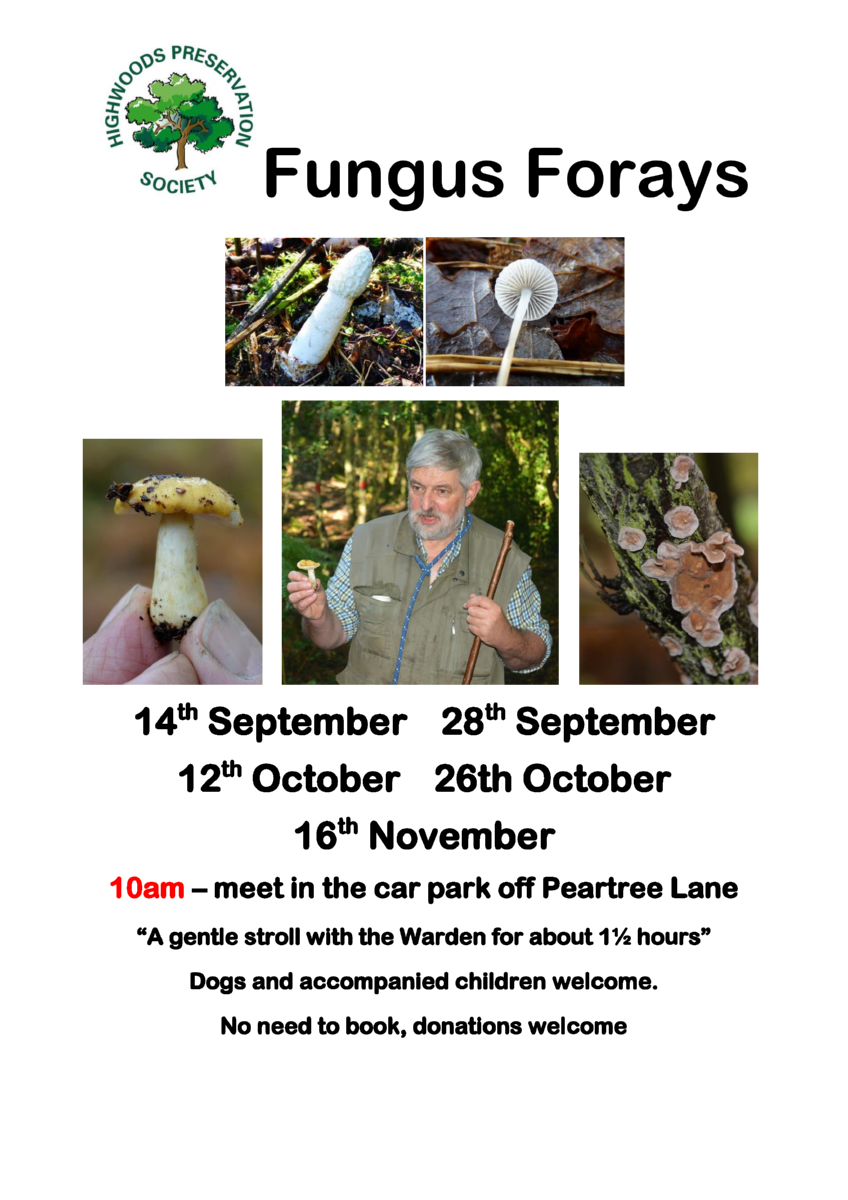
Events
reports
reports
HOME
To contact us Email:
highwoods@btinternet.com
Join Today
And support our work
Click here
And support our work
Click here
Highwoods SSSI

Are you a member ?
Why not join as a member and received our newsletters

HOME